Contact us
Send Us Your Case Details
We’ll respond and let you know the best way to proceed with your case.


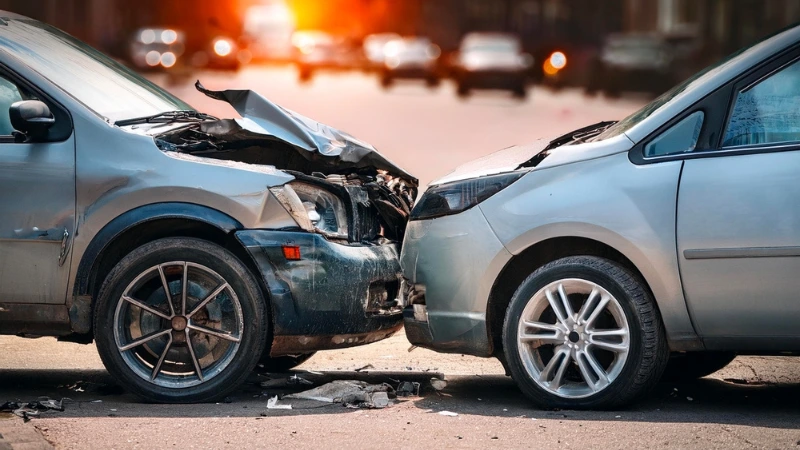
A car accident can throw everything off in a matter of seconds.
One minute you are driving home. Next, you are dealing with pain, adrenaline, insurance questions, and a hundred things that suddenly feel urgent.
If you have been hurt in a crash in Helena, Anaconda, or anywhere else in Montana, the steps you take right away can affect your health, your claim, and your financial recovery.
Wall, McLean & Gallagher has offices in Helena and Anaconda, handles car accident and insurance dispute matters across Montana, and offers free consultations for injury cases.
Quick response: If you’re in a car accident, check first to see if anyone is hurt. If it’s safe, move your car out of the road. Then, talk to the other driver and take pictures of what happened. If you feel hurt, see a doctor. Don’t say who you think is to blame. Be careful when talking to insurance people until you know more about your injuries.
If you only remember one thing, remember this: protect your health first, then protect the record of what happened. Hidden injuries, missing evidence, and rushed insurance conversations can all make a bad situation worse. Concussion symptoms may show up right away or hours later, and whiplash pain may take hours to weeks to develop fully.
Start with people, not property.
Check yourself. Check your passengers. If anyone is hurt, call 911 right away.
In Montana, a driver who knows or reasonably should know that a crash caused injury, death, or apparent property damage of $1,000 or more must immediately notify law enforcement by the quickest means of communication.
Montana law also requires drivers to provide identifying information and render reasonable aid to injured people.
Do not assume you are “fine” just because you are still standing.
After a hard jolt, adrenaline can mask symptoms, and traumatic brain injuries can result from a forceful jolt to the head or body, even when there is no obvious external wound.
If you have dizziness, confusion, vomiting, a headache, neck pain, or have lost consciousness, get evaluated.
Free accident case review: If you were injured in a crash and you are not sure what to do next, speaking with a Montana car accident lawyer early can help you avoid mistakes and preserve evidence while you focus on treatment.
Wall, McLean & Gallagher’s car accident page says the firm offers free consultations and does not charge fees unless it wins the case.
Once you know everyone is safe enough to move, get out of immediate danger if you can do so safely.
The basic rule is simple: If your car is running and it’s safe to do so, move it out of traffic.
Companies like the NAIC, State Farm, and GEICO recommend this to keep everyone safe and reduce the risk of another accident.
Remember to turn on your hazard lights, and if it’s safe, wait in a better spot.
This shows you care about everyone’s safety, which helps you feel more confident handling the situation.
This issue is important in Montana, and not everyone knows it. There are some dangers for drivers. Rural highways can be tricky because the roads wind a lot. Big trucks can also cause problems. The weather can change fast, making driving harder. Animals like deer and elk often cross roads, which can be surprising.
If drivers see a car stopped on the side of the road, they need to be careful, as it can be dangerous.
Drivers should be aware of these risks to stay safe on Montana roads.
Keep this part calm, brief, and professional.
Under Montana law, if you are in a crash, you need to share your name, address, and vehicle registration number. If you have a driver’s license, you should show it if someone asks.
You should also try to get the other driver’s name, address, phone number, and license plate number.
It helps to note the names of any police officers and witnesses as well.
What you should not exchange is a theory of the crash.
Do not argue about fault. Do not guess. Do not say, “I’m sorry, this was my fault,” just to be polite.
In Montana, fault allocation can directly reduce damages through comparative negligence, which is one reason careful language matters from the beginning.
If you are physically able, use your phone like a witness.
Take photos of all vehicles, damage, license plates, debris, skid marks, traffic signs, lane positions, road conditions, and any visible injuries.
Also, write down the time, date, weather, exact location, and what you remember before details start to blur.
Both the NAIC and large insurer guides recommend scene photos, witness contacts, officer information, and written notes because these details often become important during the claims process.
This is where claims can get better or worse.
Good records help explain what happened. Bad records let insurance companies say the damage isn’t as bad or blame someone else.
In Montana, officials have said it’s wrong to blame accident victims, so it’s really important to write down what happened at the scene.
You may have a valid injury claim if someone else’s negligence caused the accident, resulting in medical bills, lost wages, symptoms, vehicle damage, or insurance disputes.
It’s wise to call a lawyer if the other driver is uninsured, your insurer is delaying, or the situation seems complicated.
Wall, McLean & Gallagher’s Montana pages show that the firm handles car accidents, personal injury, and insurance disputes, which many injury victims face after a crash.
One of the worst mistakes after a crash is “waiting a few days to see how I feel.”
Some injuries do not announce themselves right away. The CDC says some mild traumatic brain injury and concussion symptoms may appear immediately.
In contrast, others may not appear for hours or days.
MedlinePlus notes that whiplash pain can also take hours to weeks to develop.
That is why a same-day or next-day medical evaluation is often the smart move after an injury crash, especially if you have a headache, dizziness, fogginess, neck pain, numbness, or unusual fatigue.
Medical care also protects the legal side of the case. Records created close to the time of the crash make it much easier to connect symptoms to the collision.
Wall, McLean & Gallagher’s own concussion article explains that delayed care can make it harder to link symptoms to the wreck and can complicate a personal injury claim.
Attorney insight:
A concussion does not require you to hit your head on the steering wheel or window.
A forceful jolt to the head or body can injure the brain, and the firm’s Montana concussion post specifically warns that crash victims often miss early symptoms because they mistake them for stress or adrenaline wearing off.
You should report the crash to your insurer promptly.
Start the claims process as soon as you can while the details are still clear in your mind.
The NAIC advises quick action, and major insurers also encourage reporting claims without delay. However, acting fast doesn’t mean you should give up your leverage.
Stick to the facts of the incident, and don’t guess about any injuries that might still be developing.
Take your time before accepting a quick settlement until you fully understand the nature and costs of your treatment.
Montana has rules to help protect people when they make insurance claims.
These rules say insurance companies can’t lie, ignore facts, or take too long to pay claims when it’s clear who is responsible.
Recently, Montana told State Farm to improve its handling of some car claims.
Because of this, State Farm will return millions of dollars to people in Montana after reviewing those claims again.
Not every insurance company will treat your claim unfairly, but you should take your conversations with them seriously.
If the adjuster is pushing you to act quickly, limit your treatment, or settle on a story before you fully understand your medical situation, it’s a good idea to seek legal help.
Wall, McLean & Gallagher’s insurance-disputes page warns about low offers, delays, repeated requests for documents, and confusing language in claims.
Protect your injury claim: If the insurance company is already calling, do not panic. A lawyer can step in, handle communications, and help keep the case focused on evidence instead of pressure.
Not every fender-bender needs a lawyer.
But injury crashes are different, especially when liability is contested, treatment is ongoing, multiple carriers are involved, or policy limits may be too low.
Montana’s minimum liability limits remain $25,000 per person, $50,000 per accident, and $20,000 for property damage.
Those limits can disappear quickly in a serious injury case, which is one reason UM and UIM coverage becomes so important.
Wall, McLean & Gallagher’s Montana UM/UIM page explains that many drivers only realize the value of that coverage after a crash.
Timing matters too. Under the current Montana Code page for personal injury actions, the general limitations period is three years.
That may sound like a long time, but evidence, witness memory, crash-scene details, and medical documentation all get harder to collect as time passes.
Wall, McLean & Gallagher has real Montana crash outcomes to support this authority positioning.
The firm publicly lists a $270,000 car accident result involving an illegal U-turn by a law-enforcement officer on U.S. Highway 59 North, a $1.65 million recovery following a fatal crash on U.S. Highway 89 North, and a $150,000 result in a t-bone crash where the at-fault driver ran a red light.
What should you do immediately after a car accident?
Check for injuries, call 911, move to safety if possible, exchange information, document the scene, and get medical care.
After that, report the crash to your insurer and consider legal help if you were injured or if the fault is disputed.
Do you have to report a car accident in Montana?
In Montana, immediate notice is generally required when the crash involves injury, death, or apparent property damage of $1,000 or more.
A written report is generally due within 10 days unless law enforcement has investigated and filed the crash report.
When should you call a lawyer after a car accident?
If you were hurt, call a lawyer as soon as you can after taking care of your urgent medical needs.
You should reach out if the other driver says they weren’t at fault, if you might need uninsured/underinsured motorist coverage, or if the insurance company is delaying, underpaying, or pressuring you.
These factors can affect the evidence, deadlines, and the way your claim is handled from the start.
Can you still recover compensation if you were partly at fault?
Often, yes. Montana follows comparative negligence.
Recovery is not barred so long as your negligence was not greater than the negligence of the person or combined persons from whom you seek recovery.
Still, your negligence percentage reduces your damages.
What if the other driver does not have enough insurance?
That is where uninsured and underinsured motorist coverage can become critical.
The firm’s Montana UM/UIM guide explains that this coverage exists to protect injured drivers when the at-fault driver has no insurance or insufficient coverage to cover the loss.
If you were injured in a crash in Montana, you don’t have to handle the medical, insurance, and legal issues alone. Wall, McLean & Gallagher can help you.
They have offices in Helena and Anaconda, offer free consultations, and handle car accidents and insurance disputes across Montana.
If you want clear steps to take and an honest review of your case, now is the time to reach out and call (406) 442-1054 now.