Contact us
Send Us Your Case Details
We’ll respond and let you know the best way to proceed with your case.


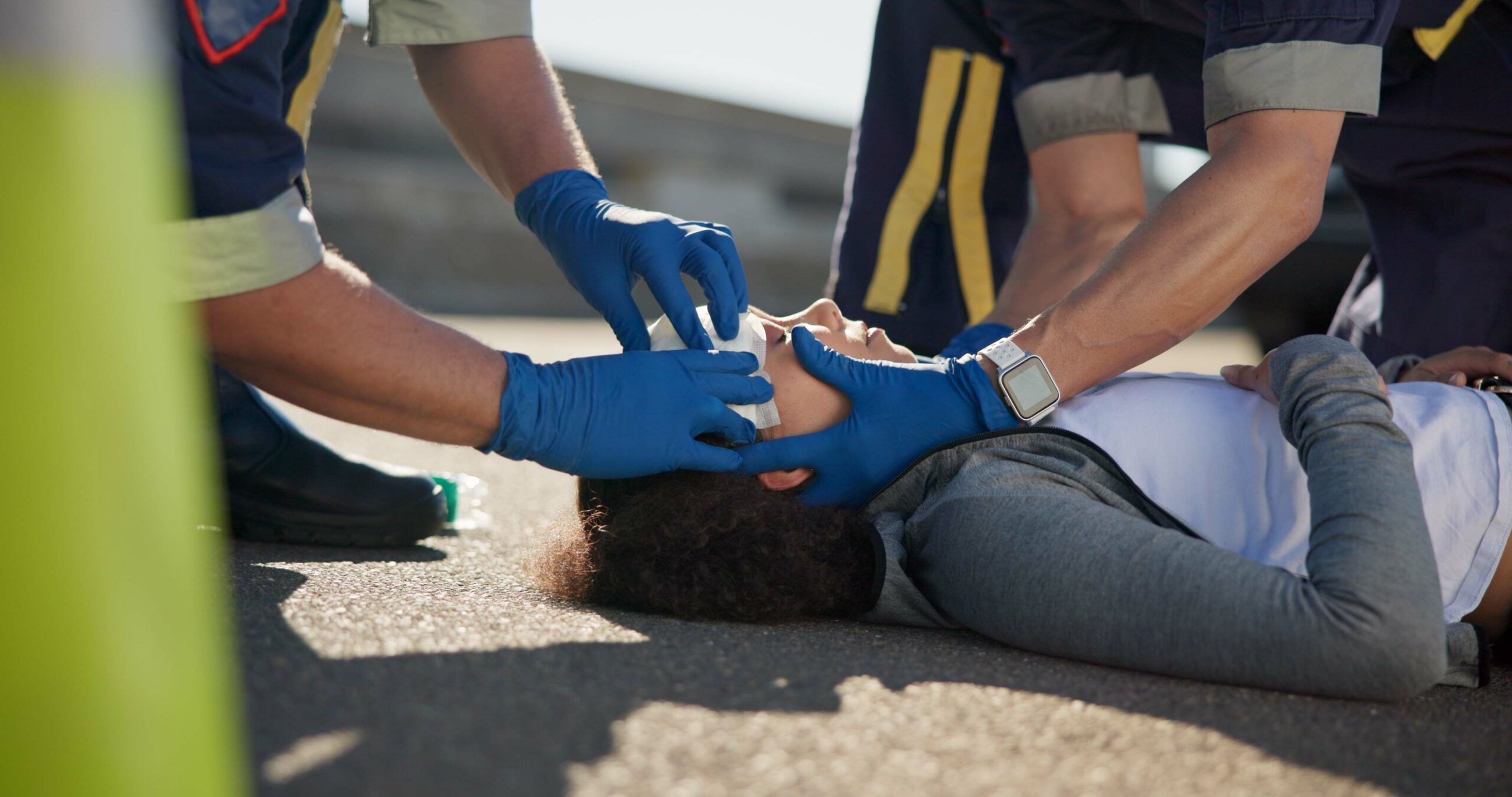
After a car crash, it is easy to focus on the visible damage, the cars, the paperwork, the immediate shock of what just happened, and overlook how your body is actually feeling. Concussions are one of the most commonly missed injuries after a collision precisely because the symptoms are not always obvious right away. A headache might seem like stress. Feeling foggy might seem like adrenaline wearing off. But these are signs your brain may have been injured, and ignoring them can have serious consequences for both your health and your legal rights.
At Wall, McLean & Gallagher, we represent injury victims in Helena and across Montana who are dealing with the physical, emotional, and financial aftermath of crashes caused by someone else’s negligence. Head injuries are among the most serious outcomes of a collision, and our team is here to help you understand your options and protect your claim. If you were hurt in a crash and are experiencing any symptoms described in this post, call us today at (406) 442-1054.
A concussion is a type of traumatic brain injury caused by a sudden jolt or impact that causes the brain to move rapidly inside the skull. Car accidents create exactly that kind of force. Even a relatively low-speed rear-end collision can generate enough force to cause the head to snap forward and back, which is the same mechanism behind whiplash and a common cause of concussion.
You do not need to hit your head on the steering wheel, window, or dashboard to sustain a concussion. The violent motion of the crash itself can be enough to cause injury. This is why concussions are frequently underdiagnosed after accidents, and why anyone involved in a collision should pay close attention to how they feel in the hours and days that follow.
Concussion symptoms vary from person to person and do not always appear immediately. Some symptoms show up within minutes of the crash while others may not become noticeable until hours or even days later. Knowing what to look for can help you get care before the injury progresses.
After an injury, it is crucial to be on the lookout for symptoms that there is a more serious threat. The physical symptoms of a concussion are often the first to appear and may include:
These symptoms can be easy to dismiss after a crash, especially when you are also dealing with shock, soreness from the seatbelt, or pain from other injuries. Do not assume they will simply pass on their own.
Concussions also affect how the brain processes information and regulates emotion. These symptoms may develop more gradually and include:
If people around you notice changes in your behavior or memory that you cannot fully perceive yourself, take that seriously. Cognitive and emotional changes after a crash are meaningful medical symptoms, not just stress reactions.
Yes, and this surprises many people. Because a concussion results from the brain moving inside the skull rather than from direct impact, you can sustain one without your head ever making contact with any surface. The sudden deceleration in a car crash, particularly in rear-end collisions and rollovers, creates enough force to injure the brain even when no external head trauma is visible.
This is also why insurance companies sometimes dispute concussion claims. There may be no visible wound, no obvious point of impact, and no immediate dramatic symptoms. That does not mean the injury is not real or serious. It means documentation and prompt medical evaluation are essential.
Taking the right steps after a crash protects both your health and your ability to pursue a legal claim if another driver was responsible for the collision. Our guide to steps after a car accident goes into more detail, but here is what matters most when a head injury may be involved.
Certain symptoms require emergency care immediately. Go to the emergency room if you or anyone involved in the crash experiences loss of consciousness, repeated vomiting, seizures, one pupil larger than the other, extreme confusion, inability to recognize people or places, or worsening headache that does not improve.
If your symptoms are present but less severe, such as a persistent headache, mild dizziness, or difficulty concentrating, see a doctor as soon as possible, ideally the same day or the following morning. Do not wait to see if you feel better. Delayed care makes it harder to connect your symptoms to the crash, which creates problems both medically and legally.
From the moment you notice symptoms, start keeping records. Write down what you are experiencing each day, when symptoms began, how they are changing, and how they are affecting your daily life. Keep all medical records, imaging results, and discharge paperwork. Note any days you missed work, activities you were unable to do, and any follow-up care you received.
This documentation becomes critical if you pursue a personal injury claim and the other driver’s insurance company tries to minimize or dispute your injury. Getting in contact with us at (406) 442-1054 is a good way to make sure your claim is valid and ensure everything you need is documented.
In Montana, if another driver’s negligence caused your crash, you have the right to seek compensation for the full scope of your injuries, including a concussion and its ongoing effects. That can include medical expenses, lost wages, pain and suffering, and costs related to future care if your symptoms persist.
Concussion claims require careful documentation because symptoms are largely subjective and may not show up on standard imaging. Working with a Helena car accident lawyer who understands how to build and present these claims is important. Montana also has a statute of limitations that restricts how long you have to file a claim, so acting promptly matters. You can learn more about those deadlines in our post on the statute of limitations for personal injury claims in Montana.
The word “mild” is used in medical settings to classify concussions that do not involve loss of consciousness or structural brain damage on imaging, but it does not mean the injury is insignificant. Post-concussion syndrome, a condition where symptoms persist for weeks, months, or longer, affects a meaningful number of people after even a first-time concussion.
In more serious crashes, what begins as a concussion may evolve into a catastrophic injury involving lasting cognitive impairment, chronic pain, or permanent disability. In the most tragic cases, severe head trauma can lead to wrongful death. Understanding that a concussion exists on a spectrum and taking it seriously from the start is the safest approach for both health and legal purposes.
Symptoms can appear immediately or be delayed by hours or even a few days. This is why monitoring how you feel in the days after a crash is so important even if you felt fine at the scene.
Yes, but delayed medical care can make it harder to link your symptoms to the crash. Seeing a doctor as soon as possible strengthens your claim considerably.
Insurance companies routinely minimize injury claims. An experienced attorney can help you push back with proper documentation and expert support. Learn more in our post on how to know if you need a personal injury lawyer.
You are not required to have one, but concussion claims are frequently disputed, and having legal representation significantly improves your chances of receiving fair compensation.
A concussion after a car crash is a real injury with real consequences, and you deserve to have both your health and your legal rights taken seriously. If you are experiencing headaches, cognitive changes, dizziness, or any of the other symptoms described in this post following a collision in Helena or anywhere in Montana, do not wait to get evaluated and do not wait to speak with an attorney.
Wall, McLean & Gallagher has the experience and the commitment to help injury victims navigate the full aftermath of a serious crash. Contact our team today at (406) 442-1054 to schedule a free, confidential consultation. We are here to help you understand what your injury may be worth and what steps to take next.